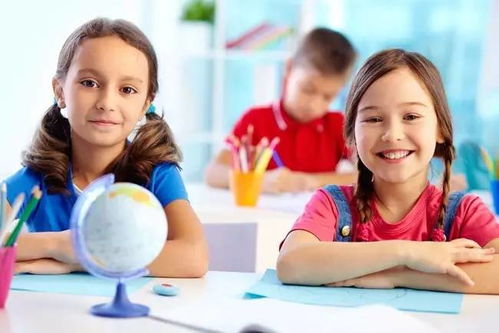
Playful Learning:How Playtime Enhances Child Development and Academic Success
Introduction
Play is a fundamental aspect of childhood, and its importance in the development of children cannot be overstated. The English word for play is "play," and it encompasses a wide range of activities that children engage in for enjoyment and recreation. However, play is not merely a pastime; it is a critical component of a child's cognitive, social, emotional, and physical development. This article delves into the multifaceted benefits of play, exploring how it can enhance a child's overall growth and set the stage for academic success.
Cognitive Development
Play is a child's work, and through play, they learn to think, problem-solve, and make decisions. When children engage in play activities, they are constantly challenged to use their imagination, which stimulates the development of their cognitive skills. For instance, pretend play allows children to explore different roles and scenarios, which helps them understand cause and effect and develop logical thinking. Additionally, play with building blocks or puzzles encourages spatial awareness and problem-solving abilities.
Social Skills
Playtime is also a social activity that helps children learn how to interact with others. Through play, children learn to share, take turns, and cooperate, which are essential skills for building and maintaining relationships. Group games and activities teach children the importance of teamwork and communication. Moreover, play allows children to experience different social roles, which can help them develop empathy and understanding of others' perspectives.
Emotional Development
Emotions are an integral part of a child's development, and play provides a safe environment for them to express and manage their feelings. Play can help children work through their emotions, such as frustration or anger, in a healthy way. For example, when a child is upset, they might engage in aggressive play, like hitting a pillow or throwing a ball, which can help them release pent-up emotions. Play also offers opportunities for children to experience joy, excitement, and satisfaction, which contribute to their overall emotional well-being.
Physical Development
Physical play is crucial for a child's physical development. Activities such as running, jumping, and climbing help children develop gross motor skills, which are essential for their coordination and balance. Play also encourages children to engage in physical activities, which can help prevent obesity and promote a healthy lifestyle. Furthermore, play can improve a child's fine motor skills, such as those required for holding a pencil or buttoning a shirt.
Language and Communication Skills
Play is a natural way for children to develop their language and communication skills. As children play, they are constantly communicating with others, whether it's through speaking, listening, or using gestures. Play provides a context for children to learn new words and practice their language skills in a fun and engaging way. For example, during pretend play, children often use descriptive language to describe their actions or the environment they are creating. This not only enhances their vocabulary but also helps them understand the nuances of language.
Creativity and Imagination
Play is the breeding ground for creativity and imagination. When children play, they are free to explore their ideas and create their own worlds. This freedom fosters a sense of curiosity and encourages children to think outside the box. Creative play, such as drawing, painting, or making music, allows children to express themselves and develop their artistic skills. Moreover, imaginative play helps children to develop their cognitive flexibility, which is the ability to adapt to new situations and think of alternative solutions.
Preparing for Academic Success
Play is not only beneficial for a child's immediate development but also lays the foundation for their future academic success. The skills and experiences gained through play, such as problem-solving, critical thinking, and communication, are essential for success in school. Moreover, play can help children develop a love for learning, which can motivate them to engage more deeply with their schoolwork. When children enjoy learning, they are more likely to be curious, ask questions, and seek out new knowledge.

Conclusion
In conclusion, play is a vital component of a child's development and should be encouraged and valued by parents, educators, and society as a whole. Playtime is not just a break from learning; it is an essential part of the learning process itself. By providing children with opportunities for play, we are investing in their cognitive, social, emotional, and physical well-being, as well as their future academic success. As we continue to understand the importance of play, we must ensure that children have the time and space to engage in this critical aspect of their growth and development.
Java多线程编程实战指南:从基础Runnable到高级CompletableFuture与锁机制详解
鄙视的英文怎么说?掌握despise、contempt、scorn等精准表达,轻松应对各种轻蔑场景
Office办公软件教程:从零基础到高效办公,轻松掌握Word、Excel、PowerPoint核心技巧
ExcelHome:从Excel小白到精通高手,轻松解决办公难题的完整指南
VBA教程:从HelloWorld到高效编程,轻松掌握自动化办公技巧
WSUS服务器部署与配置全攻略:轻松管理企业Windows更新,节省带宽避免混乱
深国交入学考试备考指南:轻松掌握A-Level课程与升学秘诀
A Level课程全攻略:选课、学习与申请顶尖大学一站式指南