In the dynamic world of parenting, play is often overlooked as a mere recreational activity. However, the truth is that play is a fundamental aspect of child development, serving as a crucial tool for learning, socialization, and emotional growth. This article delves into the importance of play in a child's life and how parents can harness the power of play to foster a nurturing and stimulating environment for their children.
The English translation for "玩耍" is "play." Play is not just a pastime; it is a multifaceted experience that encompasses physical, cognitive, and emotional development. It is through play that children learn to explore, experiment, and understand the world around them.
Physical Development
Play is essential for the physical development of children. It helps them to develop gross motor skills, such as running, jumping, and climbing, as well as fine motor skills, like holding a crayon or buttoning a shirt. Engaging in active play allows children to strengthen their muscles, improve their balance, and enhance their coordination. It also promotes a healthy lifestyle by encouraging regular physical activity, which is crucial for preventing obesity and other health issues in later life.
Cognitive Development
Cognitively, play is a powerful learning tool. It stimulates the brain and encourages the development of problem-solving skills, creativity, and critical thinking. When children play, they are constantly making decisions, testing hypotheses, and learning from the outcomes. For example, building with blocks requires children to think about balance, weight distribution, and spatial relationships. Role-playing games help children to understand social dynamics and to practice empathy by stepping into the shoes of others.

Emotional Development
On an emotional level, play is a safe space for children to express their feelings and to develop emotional regulation skills. Through play, children can work through their fears, frustrations, and joys in a controlled environment. It allows them to practice managing emotions, which is a vital skill for their social and personal well-being. For instance, a child who is upset may engage in aggressive play, which can be a way for them to release pent-up emotions in a safe and acceptable manner.
Social Development
Play also plays a significant role in social development. It provides children with opportunities to interact with peers, practice communication skills, and learn about cooperation and sharing. Group games and activities teach children how to take turns, follow rules, and respect the needs and feelings of others. These social skills are foundational for building and maintaining relationships throughout life.
The Role of Parents in Playful Parenting
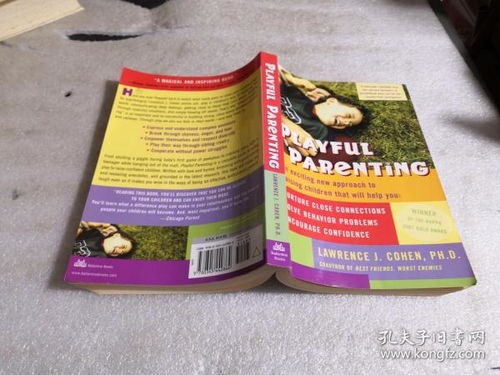
Parents can enhance their children's play experiences by engaging in what is known as "playful parenting." This approach involves actively participating in play with children, rather than just observing or directing their play. By doing so, parents can:
1、Model Positive Behavior: Show children how to play fairly, take turns, and handle conflicts in a respectful manner.
2、Encourage Exploration: Provide a variety of toys and materials that encourage curiosity and experimentation.
3、Validate Feelings: Acknowledge and validate the emotions that children express during play, helping them to understand and manage their feelings.
4、Facilitate Learning: Use play to teach new concepts, reinforce learning, and extend children's understanding of the world.
5、Create a Safe Environment: Ensure that play spaces are safe and that children feel secure to take risks and try new things.
Conclusion
In conclusion, play is a vital component of a child's development, impacting their physical, cognitive, emotional, and social growth. By understanding the importance of play and engaging in playful parenting, parents can support their children in becoming well-rounded individuals. Play is not just a way to pass the time; it is a powerful educational tool that should be valued and integrated into every child's life. As parents, we have the opportunity to nurture this natural instinct for play, creating a foundation for a lifetime of learning and joy.
Office办公软件教程:从零基础到高效办公,轻松掌握Word、Excel、PowerPoint核心技巧
Angular框架完整指南:从核心特性到实战开发,轻松构建现代Web应用
VBA教程:从HelloWorld到高效编程,轻松掌握自动化办公技巧
失望的英文怎么说?学会Disappointment等表达,轻松应对各种失落场景
Java多线程编程实战指南:从基础Runnable到高级CompletableFuture与锁机制详解
each和every的区别:英语学习者必看,轻松掌握不再混淆
Java基础入门:从Hello World到项目实战,轻松掌握编程核心
张晨曦:从Hello World到AI领军人物的成长之路与创新突破
C语言教程:从Hello World到指针结构体,轻松掌握编程基础