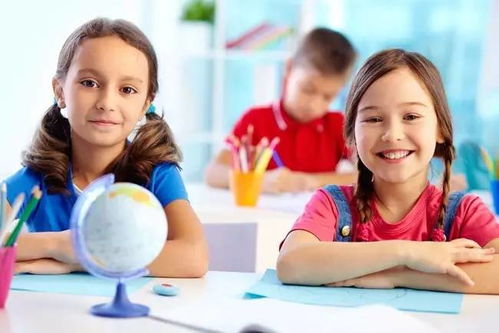
Play is not merely an enjoyable pastime for children; it is an essential component of their development. This article delves into the multifaceted importance of play in the early years of a child's life, exploring its cognitive, social, emotional, and physical benefits.
Cognitive Development
Play is the child's work. It is through play that children explore, experiment, and learn about the world around them. Cognitive development is significantly enhanced through play as it stimulates the brain and promotes the growth of neural connections. When children engage in pretend play, for example, they are exercising their imagination and creativity, which are crucial for problem-solving and critical thinking skills. Additionally, play with educational toys or games can help children develop mathematical and language skills.
Social Skills
Play is a social activity that allows children to interact with their peers, which is vital for the development of social skills. Through play, children learn to take turns, share, and cooperate, which are fundamental to forming and maintaining relationships. Role-playing games, in particular, can help children understand different perspectives and develop empathy. These social interactions also provide opportunities for children to practice communication skills, which are essential for their future academic and professional success.
Emotional Development
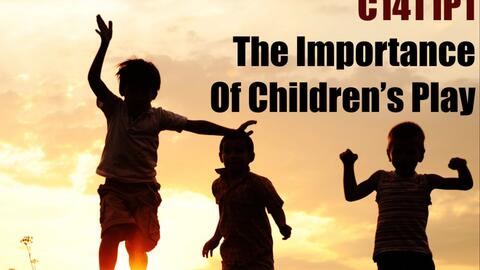
Emotional development is closely tied to play. Play allows children to express their feelings and emotions in a safe and controlled environment. It can help them understand and manage their emotions better. For instance, a child who is feeling angry might engage in a vigorous game of soccer, using the physical activity as an outlet for their emotions. Play also provides a context for children to learn resilience, as they experience challenges and setbacks during games and learn to cope with them.
Physical Development
Physical play is crucial for the development of gross and fine motor skills. Activities such as running, jumping, and climbing help children develop strength, balance, and coordination. Fine motor skills, which involve the smaller muscles of the hands and fingers, are also honed through play. For example, building with blocks or threading beads can improve hand-eye coordination and dexterity. Physical play is not only essential for physical health but also contributes to cognitive development, as the body and brain are closely interconnected.
The Role of Parents and Educators
Parents and educators play a vital role in facilitating play. They should provide a variety of play materials and opportunities that cater to different interests and developmental stages. Encouraging open-ended play, where children can use their imagination and创造力, is particularly beneficial. Adults should also model appropriate behavior during play, teaching children how to resolve conflicts and respect the rules of the game.
Importance of Unstructured Play
While structured play, such as organized sports or lessons, has its place, unstructured play is equally important. It allows children the freedom to explore, make decisions, and solve problems on their own. This type of play fosters independence and self-confidence. It also gives children the chance to develop their own interests and passions, which can lead to a lifelong love of learning.
Challenges and Solutions
Despite the clear benefits of play, modern society presents challenges to its practice. Screen time, academic pressures, and a lack of safe play spaces can limit a child's opportunities for play. Parents and educators must advocate for policies that support play and create environments that encourage it. This might involve setting limits on screen time, providing access to safe outdoor spaces, and incorporating play into the curriculum.
Conclusion

In conclusion, play is a fundamental aspect of child development that should not be overlooked. It is through play that children learn about themselves and the world around them, developing the skills necessary for success in all areas of life. By understanding and supporting the importance of play, we can help ensure that children grow up to be well-rounded individuals, ready to face the challenges of the future.
This article provides a comprehensive overview of the importance of play in child development, touching on cognitive, social, emotional, and physical aspects. It also discusses the role of adults in facilitating play and the challenges that modern society presents to this essential activity. By advocating for play and creating opportunities for it, we can support the holistic development of children.
Office办公软件教程:从零基础到高效办公,轻松掌握Word、Excel、PowerPoint核心技巧
ExcelHome:从Excel小白到精通高手,轻松解决办公难题的完整指南
失望的英文怎么说?学会Disappointment等表达,轻松应对各种失落场景
Java多线程编程实战指南:从基础Runnable到高级CompletableFuture与锁机制详解
Apache com cn 不跳转问题全解析:快速诊断与修复指南
鄙视的英文怎么说?掌握despise、contempt、scorn等精准表达,轻松应对各种轻蔑场景
Java基础入门:从Hello World到项目实战,轻松掌握编程核心
张晨曦:从Hello World到AI领军人物的成长之路与创新突破
C语言教程:从Hello World到指针结构体,轻松掌握编程基础