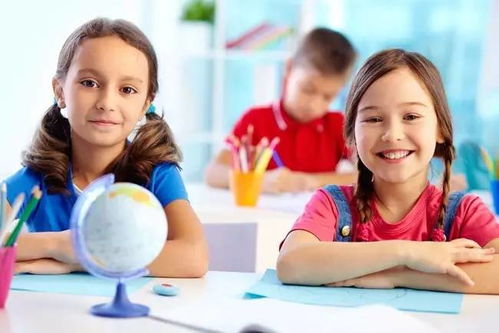
In the dynamic world of early childhood education, the concept of play-based learning (PBL) has emerged as a cornerstone of child development. This approach recognizes the intrinsic value of play as a fundamental tool for learning and growth. In this article, we will delve into the essence of PBL, its benefits, and how it can be effectively integrated into educational settings.
Understanding Play-Based Learning (PBL)
Play-based learning is an educational approach that centers on the belief that children learn best through play. It is an organic method where children are given the freedom to explore, create, and interact with their environment in a way that is meaningful to them. PBL is not a structured curriculum with predetermined outcomes; rather, it is a flexible framework that allows for the emergence of learning through play.
The Benefits of PBL
1、Cognitive Development: Play is a natural way for children to develop cognitive skills such as problem-solving, critical thinking, and creativity. Through play, children can experiment with different scenarios and outcomes, which helps them to understand cause and effect.
2、Social Skills: PBL provides opportunities for children to interact with their peers, which is crucial for the development of social skills. Children learn to share, take turns, and communicate effectively, all of which are essential for their future interpersonal relationships.
3、Emotional Regulation: Play allows children to express their emotions in a safe environment. It helps them to understand and manage their feelings, which is a critical aspect of emotional intelligence.
4、Physical Development: Physical play is an integral part of PBL. It helps children develop gross and fine motor skills, coordination, and balance, which are essential for their overall physical health.
5、Language and Literacy Skills: Through play, children naturally develop language and literacy skills. They learn new words, practice storytelling, and engage in conversations, which are all vital for their linguistic development.
Implementing PBL in Early Childhood Education
1、Creating a Play-Friendly Environment: The first step in implementing PBL is to create a safe and stimulating environment that encourages exploration and play. This includes providing a variety of materials and resources that cater to different interests and learning styles.

2、Observation and Documentation: Educators play a crucial role in observing children during play and documenting their interactions. This helps in understanding the child's interests, abilities, and areas for growth, which can inform the next steps in their learning journey.
3、Facilitating Learning Through Guided Play: While PBL is child-led, educators can facilitate learning by asking open-ended questions, providing gentle guidance, and extending play scenarios to introduce new concepts or skills.
4、Incorporating Different Types of Play: PBL should include a variety of play types, such as dramatic play, constructive play, and sensory play. Each type of play offers unique learning opportunities and caters to different developmental needs.
5、Reflecting on Learning: Reflecting on play experiences is an essential part of PBL. Educators can facilitate reflection by discussing what happened during play, what was learned, and how the experience can be built upon in future play sessions.
Challenges and Misconceptions

Despite the numerous benefits of PBL, there are challenges and misconceptions that educators and parents may face. Some may view play as a waste of time or not serious enough for learning. However, research has consistently shown that play is a powerful medium for learning and development. It is important to communicate the value of PBL to stakeholders and address any concerns with evidence-based practices.
Conclusion
Play-based learning (PBL) is more than just a fun way to spend time; it is a critical component of early childhood education. By embracing PBL, we empower children to learn through their natural curiosity and playfulness, setting a strong foundation for their future academic and personal success. As educators and caregivers, it is our responsibility to create environments that foster PBL and support children in their journey of exploration and discovery.
Java多线程编程实战指南:从基础Runnable到高级CompletableFuture与锁机制详解
下午好英文怎么说?掌握Good afternoon地道用法,告别发音尴尬与场合误用
Office办公软件教程:从零基础到高效办公,轻松掌握Word、Excel、PowerPoint核心技巧
VBA教程:从HelloWorld到高效编程,轻松掌握自动化办公技巧
duang什么意思?揭秘网络流行语duang的起源、含义与用法
SpringMVC:从繁琐Servlet到高效Web开发的快乐转变,告别重复代码烦恼
pose什么意思?完整解析pose的多种含义与用法,轻松掌握英语多义词
iPhone 6s深度解析:从3D Touch到A9芯片,揭秘苹果经典机型如何解决你的换机困惑与使用痛点
Java基础入门:从Hello World到项目实战,轻松掌握编程核心