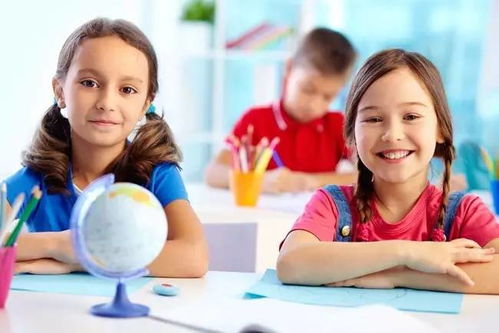
Playful Learning:How Playtime Fosters Cognitive,Social,and Emotional Development in Children
Play is a fundamental aspect of childhood, and its importance in a child's development cannot be overstated. The English word for "玩耍" is "play," and it is through play that children learn about the world around them, develop social skills, and express their creativity. In this article, we will explore the multifaceted benefits of play and how it contributes to the cognitive, social, and emotional development of children.
Cognitive Development
Play is a child's work. It is through play that they begin to understand the world and how things work. Cognitive development is the process by which children acquire knowledge and learn to think. Playtime is crucial for cognitive development for several reasons:
1、Problem Solving: Play often involves problem-solving scenarios. Whether it's building a tower with blocks or figuring out how to get a ball into a basket, children are constantly challenged to think critically and find solutions. This helps to develop their logical thinking and reasoning skills.
2、Language Skills: Play provides a natural context for language development. Children learn new words, practice their grammar, and develop their vocabulary through the narratives they create during play. Role-playing games, for example, require children to express themselves verbally and listen to others, which enhances their communication skills.
3、Creativity and Imagination: Play allows children to explore their imagination. They can pretend to be anything from a firefighter to a dinosaur, which encourages creative thinking and the development of new ideas.
Social Development
Social development is the process by which children learn to interact with others and form relationships. Play is a social activity that helps children develop essential social skills:

1、Cooperation and Collaboration: Group play activities require children to work together towards a common goal. This teaches them the importance of cooperation and collaboration, as well as how to share and take turns.
2、Empathy and Understanding: Through play, children learn to understand the feelings and perspectives of others. Role-playing games, for instance, help them to put themselves in someone else's shoes, which is a crucial aspect of empathy.
3、Conflict Resolution: Disagreements are a natural part of play. Children learn to negotiate and resolve conflicts, which is a valuable life skill that they will carry into adulthood.
Emotional Development
Emotional development is the process by which children learn to recognize, understand, and manage their feelings. Play plays a significant role in emotional development:
1、Self-Expression: Play provides a safe space for children to express their emotions. Whether it's through dramatic play, where they can act out their feelings, or through art and music, play allows children to process and express their emotions in a healthy way.
2、Self-Esteem and Confidence: Successfully completing a task or achieving a goal during play can boost a child's self-esteem and confidence. This sense of accomplishment is crucial for building a positive self-image.
3、Resilience: Play also helps children develop resilience. When they face challenges or fail at a task, they learn to cope with disappointment and try again, which is an essential skill for emotional well-being.
The Importance of Play in Different Stages of Development
Play is not a one-size-fits-all activity. Different stages of development require different types of play:
1、Infancy (0-2 years): Infants benefit from simple play that stimulates their senses, such as peekaboo games, which help with object permanence, or rattles and soft toys that engage their sense of touch and sound.
2、Toddlerhood (2-3 years): Toddlers are beginning to explore their environment and develop gross motor skills. Play at this stage often involves physical activities like running, climbing, and playing with simple puzzles.
3、Preschool (3-5 years): Preschoolers are developing fine motor skills and starting to understand cause and effect. Play at this stage often involves more complex puzzles, pretend play, and art activities.
4、School Age (5-12 years): School-age children are developing more advanced cognitive and social skills. Play at this stage often involves team sports, board games, and more elaborate pretend scenarios.
Conclusion
Play is not just a pastime; it is an essential component of a child's development. It is through play that children learn to think critically, develop social skills, and manage their emotions. As a育儿专家, I encourage parents and educators to prioritize playtime in children's lives, providing a variety of play opportunities that cater to their developmental needs. By doing so, we can help children grow into well-rounded individuals who are prepared to face the challenges of the world with confidence and resilience.
Java接口详解:从RemoteControl到OrderService,轻松掌握接口设计与实现
Java多线程编程实战指南:从基础Runnable到高级CompletableFuture与锁机制详解
CDR是什么软件?CorelDRAW矢量设计软件详解与实用指南
鄙视的英文怎么说?掌握despise、contempt、scorn等精准表达,轻松应对各种轻蔑场景
一见钟情英文怎么说?Love at First Sight地道用法与浪漫表达全解析
轻松掌握remember to do和doing区别:告别语法混淆,准确表达未来提醒与过去回忆
回忆的英文:轻松掌握remember、recall等词汇区别与用法,告别记忆混淆的烦恼
Windows Server 2012 R2升级指南:告别安全风险,轻松迁移到2022或云端
PS怎么去水印?3分钟学会Photoshop完美去除水印的4种简单方法