In the world of nutrition, the food pyramid has long been a staple for teaching children and adults alike about the importance of a balanced diet. However, with the evolution of dietary guidelines and the understanding of nutritional needs, the concept of the food pyramid has been updated and rebranded as the food plate or food guide. Despite the change in name, the core principle remains the same: to provide a visual representation of the proportions of different food groups that should make up a healthy diet. In this article, we will explore the food nutrition pyramid, its components, and how it can be used to guide children towards a healthier lifestyle.
The food nutrition pyramid, often referred to as "MyPlate" in the United States, is a simple yet effective tool that helps children understand the variety of foods they should consume daily. It is divided into four main sections, each representing a different food group: fruits, vegetables, grains, and protein. Additionally, there is a smaller circle representing dairy, which is an essential part of a balanced diet.
1、Fruits: The base of the pyramid, or the largest section of the plate, is dedicated to fruits. This emphasizes the importance of including a variety of fruits in a child's diet. Fruits are rich in vitamins, minerals, and fiber, which are crucial for growth and development. Encouraging children to consume a colorful array of fruits can help them meet their daily nutritional needs and develop a taste for healthy foods.
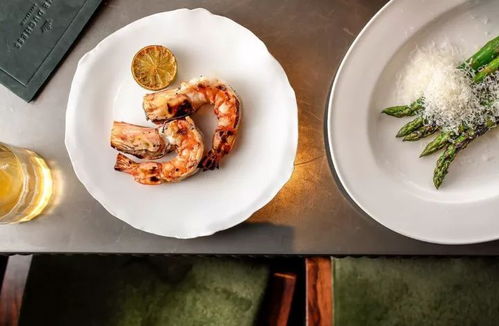
2、Vegetables: The second largest section of the plate is for vegetables. Like fruits, vegetables are packed with essential nutrients and should be a significant part of a child's diet. They provide a wide range of vitamins and minerals, as well as fiber, which aids in digestion and helps maintain a healthy weight. Introducing children to a variety of vegetables, including leafy greens, root vegetables, and colorful bell peppers, can help them develop a well-rounded palate and a lifelong appreciation for these nutrient-dense foods.
3、Grains: The grains section of the pyramid, or the plate, represents the importance of whole grains in a child's diet. Whole grains are a good source of fiber, vitamins, and minerals, and they provide energy for children's active lifestyles. Encouraging children to choose whole grains, such as brown rice, whole wheat bread, and oatmeal, can help them build healthy eating habits that will last a lifetime.
4、Protein: The protein section of the pyramid is crucial for children's growth and development. Protein-rich foods include lean meats, poultry, fish, beans, peas, nuts, and seeds. These foods not only provide protein but also contain other important nutrients, such as iron and B vitamins. It's important to teach children to choose lean protein sources to minimize saturated fats and cholesterol intake.
5、Dairy: The dairy circle represents the need for calcium-rich foods in a child's diet. Dairy products, such as milk, cheese, and yogurt, are excellent sources of calcium, which is essential for building strong bones and teeth. Additionally, dairy products provide protein and other nutrients that support overall health.
The food nutrition pyramid, or MyPlate, also emphasizes the importance of moderation and balance. It encourages children to fill their plates with a variety of colorful foods from each group, while also being mindful of portion sizes. This approach helps children understand that while all foods can fit into a healthy diet, it's the overall pattern of eating that matters most.
In conclusion, the food nutrition pyramid is a valuable tool for teaching children about the importance of a balanced diet. By understanding the different food groups and their roles in a healthy diet, children can develop lifelong habits that promote good health and well-being. As a育儿专家, it's our role to guide and support children and their families in making informed decisions about nutrition, using tools like the food pyramid to simplify complex dietary concepts and make them accessible to all.
CDR是什么软件?CorelDRAW矢量设计软件详解与实用指南
下午好英文怎么说?掌握Good afternoon地道用法,告别发音尴尬与场合误用
锻炼的英文怎么说?掌握exercise、workout、training的区别,让英语表达更地道
薯条的英文怎么说?French fries发音与文化全解析,轻松掌握地道表达
Angular框架完整指南:从核心特性到实战开发,轻松构建现代Web应用
四舍五入公式详解:从Excel到Python,轻松掌握数字取舍技巧
Java接口详解:从RemoteControl到OrderService,轻松掌握接口设计与实现
告别英语只会说Goodbye?掌握不同场合的英文告别语,告别尴尬轻松社交
德语我爱你怎么表达?掌握Ich liebe dich的正确用法与文化内涵