Understanding Child Development:The Key to Nurturing Growth and Learning
Child development is a complex and fascinating process that encompasses the physical, cognitive, emotional, and social growth of children. As a parenting expert, it is crucial to understand the various aspects of child development to provide the best support and guidance for your child's growth and learning. In this article, we will explore the English terms and concepts related to child development and discuss their significance in nurturing a child's overall well-being.
Physical Development:
Physical development refers to the growth and maturation of a child's body. It includes aspects such as height, weight, motor skills, and coordination. As a parent, it's important to monitor your child's physical development to ensure they are meeting age-appropriate milestones. For example, a child's ability to walk, run, and jump are all indicators of healthy physical development.
Cognitive Development:
Cognitive development is the process by which children acquire knowledge, learn to think, and solve problems. This includes areas such as language development, memory, attention, and problem-solving skills. A child's cognitive development is closely tied to their educational progress and future academic success. Encouraging activities that stimulate the mind, such as reading, puzzles, and creative play, can significantly contribute to cognitive growth.
Emotional Development:
Emotional development is about the growth of a child's ability to recognize, understand, and manage their feelings. This is a critical aspect of overall development, as emotional well-being is linked to mental health and social relationships. Parents can support emotional development by providing a safe and nurturing environment, modeling healthy emotional expression, and teaching children how to cope with stress and negative emotions.
Social Development:
Social development involves the growth of a child's ability to interact with others, form relationships, and understand social cues. This includes skills such as communication, empathy, and cooperation. Social development is essential for children to function effectively in a group setting, whether it's at school, in extracurricular activities, or within the community. Encouraging social interactions and teaching children the importance of respect and kindness can foster healthy social development.
Language Development:
Language development is a critical part of cognitive development and involves the acquisition of communication skills, both verbal and non-verbal. It is through language that children express their thoughts, feelings, and needs. Language development begins with babbling and progresses to more complex forms of communication as the child grows. Parents can support language development by talking to their children, reading to them, and engaging in activities that promote conversation and vocabulary expansion.
Motor Skill Development:
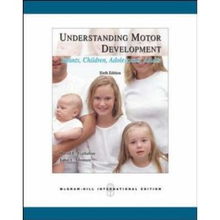
Motor skill development is the process by which children learn to control their muscles and coordinate their movements. This includes both fine motor skills, such as writing and drawing, and gross motor skills, such as running and jumping. Motor skill development is essential for physical health and can also impact cognitive and social abilities. Providing opportunities for physical activity and play can help children develop the necessary motor skills for everyday tasks and sports.
Sensory Development:
Sensory development is the process by which children learn to interpret information from their senses, such as sight, hearing, touch, taste, and smell. This development is crucial for understanding the world around them and for learning new skills. Parents can support sensory development by providing a variety of sensory experiences, such as different textures to touch, sounds to listen to, and tastes to try.
In conclusion, understanding the English terms and concepts related to child development is essential for parents and caregivers. By recognizing the importance of physical, cognitive, emotional, social, language, motor skill, and sensory development, you can create an environment that nurtures your child's growth and learning. Remember, each child develops at their own pace, and it's important to be patient, supportive, and responsive to their individual needs. By doing so, you will be setting the foundation for a lifetime of learning and personal growth.
Java多线程编程实战指南:从基础Runnable到高级CompletableFuture与锁机制详解
VBA教程:从HelloWorld到高效编程,轻松掌握自动化办公技巧
Java接口详解:从RemoteControl到OrderService,轻松掌握接口设计与实现
一见钟情英文怎么说?Love at First Sight地道用法与浪漫表达全解析
Windows Server 2012 R2升级指南:告别安全风险,轻松迁移到2022或云端
each和every的区别:英语学习者必看,轻松掌握不再混淆
Java基础入门:从Hello World到项目实战,轻松掌握编程核心
张晨曦:从Hello World到AI领军人物的成长之路与创新突破
C语言教程:从Hello World到指针结构体,轻松掌握编程基础